

Books And Series
Lincoln in the Bardo Audiobook: Full Cast, Voices and Length
The Lincoln in the Bardo audiobook is the full-cast Random House Audio recording: 7 hours and 25 minutes long, with 166 voices, per the publisher.
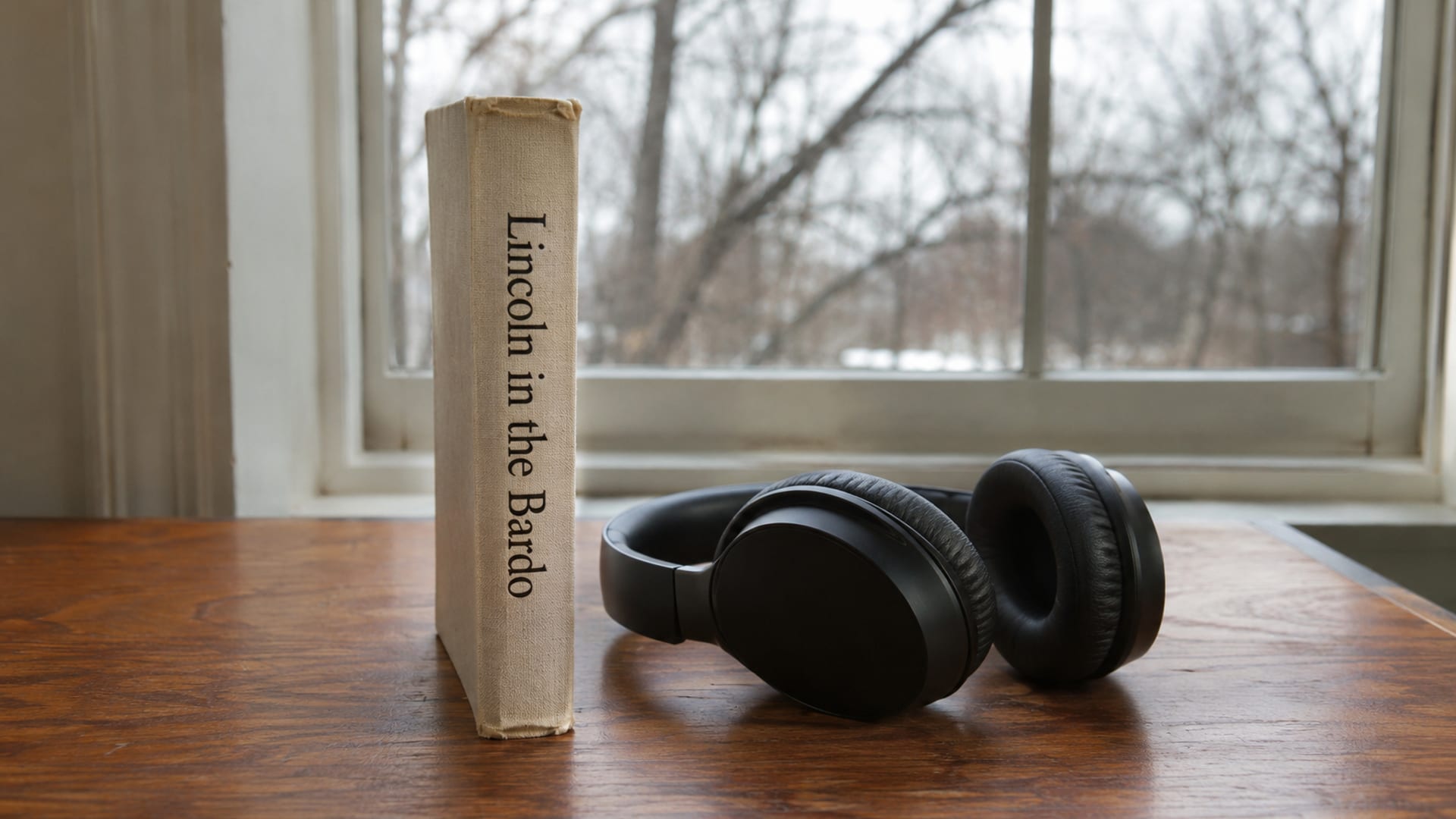
The Lincoln in the Bardo audiobook is the Random House Audio recording, published February 14, 2017. Audible US lists it as unabridged at 7 hours and 25 minutes (as of November 24, 2026), and the publisher says the full cast contains 166 voices.
Nick Offerman reads Hans Vollman, David Sedaris reads Roger Bevins III, George Saunders reads the Reverend Everly Thomas, and Kirby Heyborne reads Willie Lincoln, per the publisher's cast list.
The recording is in the news this week because Collider's November 18, 2026 list of best-performed audiobooks includes it. What follows covers who reads which part, how it was made, what named critics say about the format, and where to buy or borrow this exact recording.
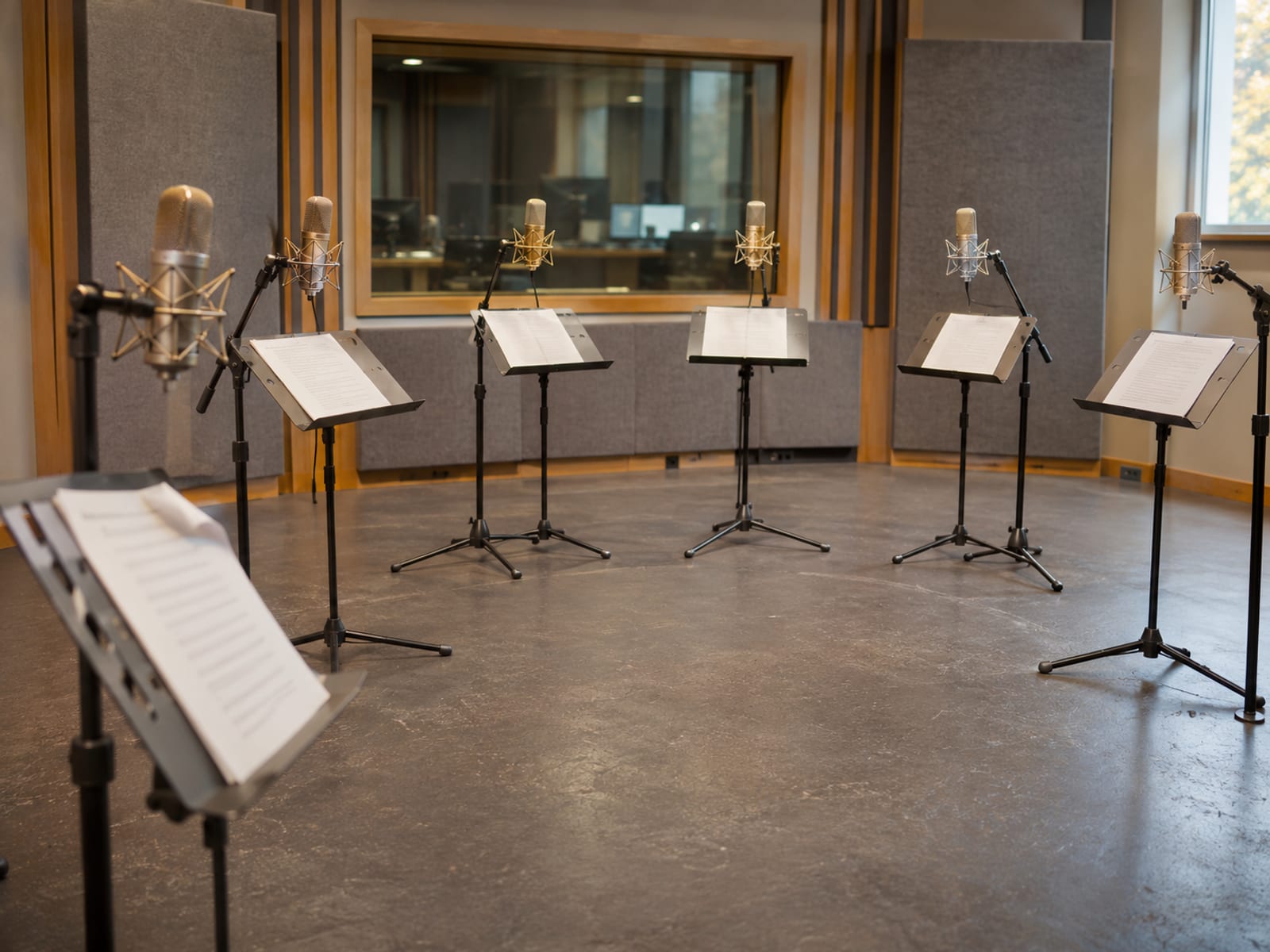
Who reads which part
Penguin Random House's cast list, published February 14, 2017, and the Audible US cast list, read on November 24, 2026, name four roles for this recording:
- Nick Offerman as Hans Vollman
- David Sedaris as Roger Bevins III
- George Saunders as the Reverend Everly Thomas
- Kirby Heyborne as Willie Lincoln
George Saunders, the author, reads the Reverend Everly Thomas and is also listed among the narrators.
The publisher's cast list does not name an actor for Abraham Lincoln. If that part matters to your decision, open the cast list on the listing you plan to use and read it there. The same goes for any other name you have seen attached to this audiobook: the cast list on the edition you buy is the place to confirm who reads what.
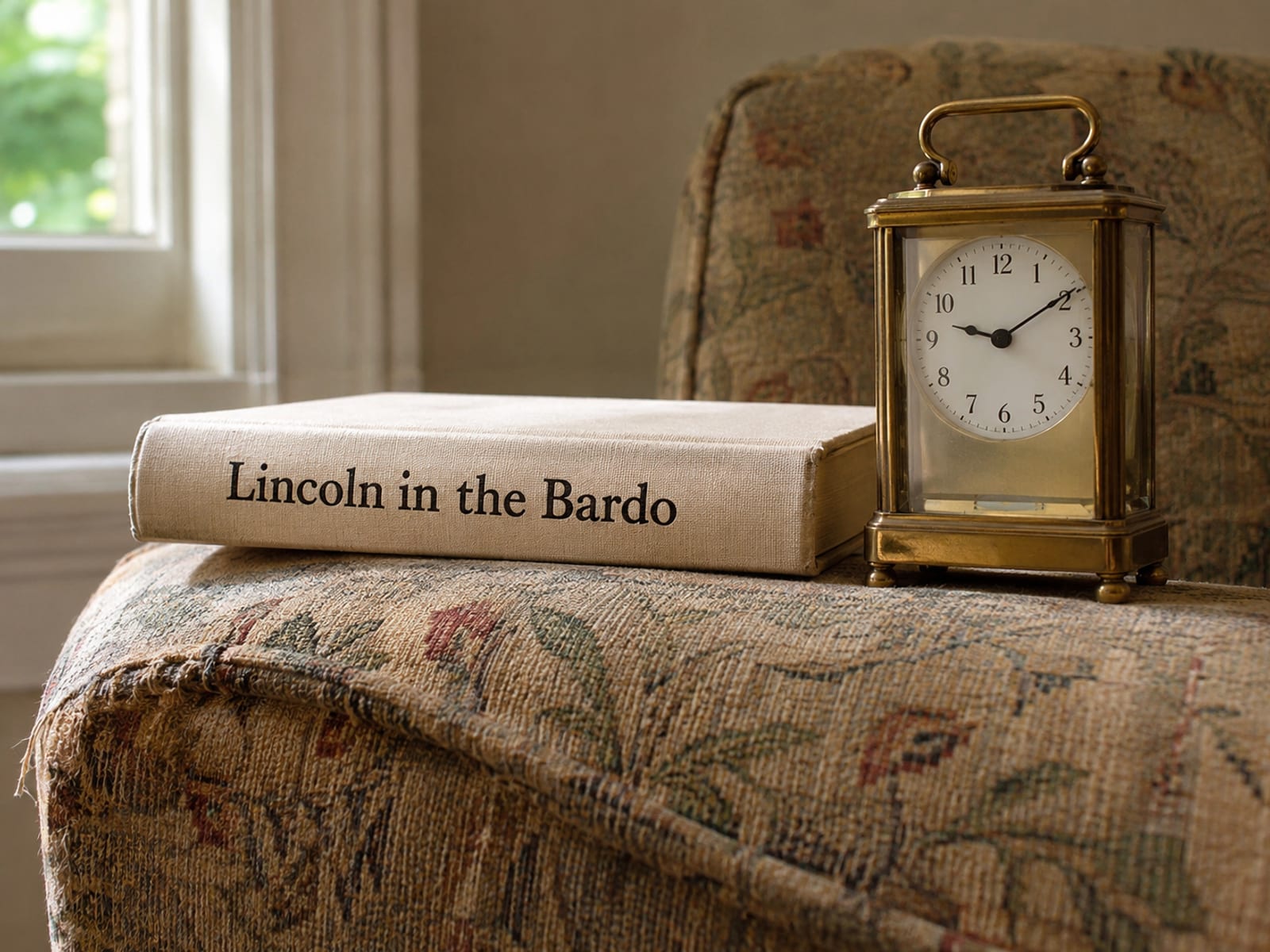
How long the Lincoln in the Bardo audiobook runs
Audible US lists the unabridged audiobook at 7 hours and 25 minutes, and Penguin Random House gives the same length for its unabridged edition. The University of Pennsylvania's OverDrive listing shows the unabridged 2017 edition at 7:25:24, read on November 24, 2026.
So, for planning, it is a little under seven and a half hours. One detail on editions. That OverDrive listing labels its copy Books on Tape, while the publisher lists the recording as Random House Audio. The length matches, and the publisher's listing is the one to treat as the recording's own.
How a 166-voice recording gets made
Saunders told WIRED on February 14, 2017 that the novel read like a script. He imagined having to read every attribution himself in "this monotonous South Side Chicago accent," so he suggested different voices for the speaking parts. WIRED also reported that the sessions ran over six months in 17 studios across the country.
Producer Kelly Gildea told Book Riot on February 14, 2017 that the play-like structure led the team to use multiple narrators. Saunders then suggested one voice for every speaking part, and the team decided to pursue the idea once Gildea calculated 166 voices. Gildea said the actors recorded individually, because recording everyone together was logistically impossible.
Saunders told Penguin Random House in a February 13, 2017 announcement: "I love the idea that by casting actors and non-actors, we were able to simulate that 'I hear America singing' notion." The publisher names Kelly Gildea as director and producer.
What the book is, and why its form matters on audio
Per Penguin Random House, the story begins in February 1862, after Abraham Lincoln's eleven-year-old son Willie dies and is buried in a Georgetown cemetery. Saunders imagines the cemetery's dead inhabitants, living and dead historical figures, and Lincoln's grief, in a supernatural story about death, love and the possibility of life continuing beyond death.
The form is the unusual part. A large chorus of narrating voices, including the cemetery's spirits, sits beside quoted or paraphrased historical material such as nineteenth-century letters, newspaper accounts and other documents. The publisher calls it a "theatrical panorama of voices."
Gildea's account above ties that structure to the decision to use many narrators. For how a full-cast recording differs from a dramatized one, see full cast vs dramatized audiobooks. For another recording built around many voices, there is the Harry Potter full-cast audiobook.
The Booker Prizes lists Saunders as the winner of the 2017 Man Booker Prize for the novel, on its 2017 prize page and its book page.
Does the format work as an audiobook?
Named sources split on this, so each view below carries its name and date.
Kirkus Reviews, in an audiobook review posted January 22, 2026, wrote: "While it may take a few moments to acclimate to the quirks and syncopated rhythms of this unconventional novel, there's an undeniable appeal in hearing this impressive cast of narrators."
The Guardian said on April 9, 2018 that the screenplay-like format may make print "seem daunting," and called the seven-hour, 166-person audio version "a great alternative" that suits Saunders's form.
A different view comes from a Guardian reader Q&A published June 12, 2026, where a Guardian books team member wrote: "I once tried Lincoln in the Bardo on audiobook and the multiple voices made it very confusing."
Those are three named views, and they point in different directions. Whether many voices help or get in the way is a matter of taste.
If you are comparing listings, Audible's performance rating versus story rating explains what those two numbers mean. For a different way of splitting a book between voices, see dual vs duet narration.
Awards attached to the recording
The Audio Publishers Association's 2018 Audie Awards page lists the recording as the 2018 Audie Award winner for Audiobook of the Year. The same page lists it as a finalist for Multi-Voiced Performance and for Excellence in Production.
Kirkus Reviews identifies it as an AudioFile Earphones Award winner, in the review linked above.
One correction worth having in hand: this recording is not the current Guinness World Records holder for the most narrators. The Guinness record page, published in 2023, lists a different audiobook at 623 narrators.
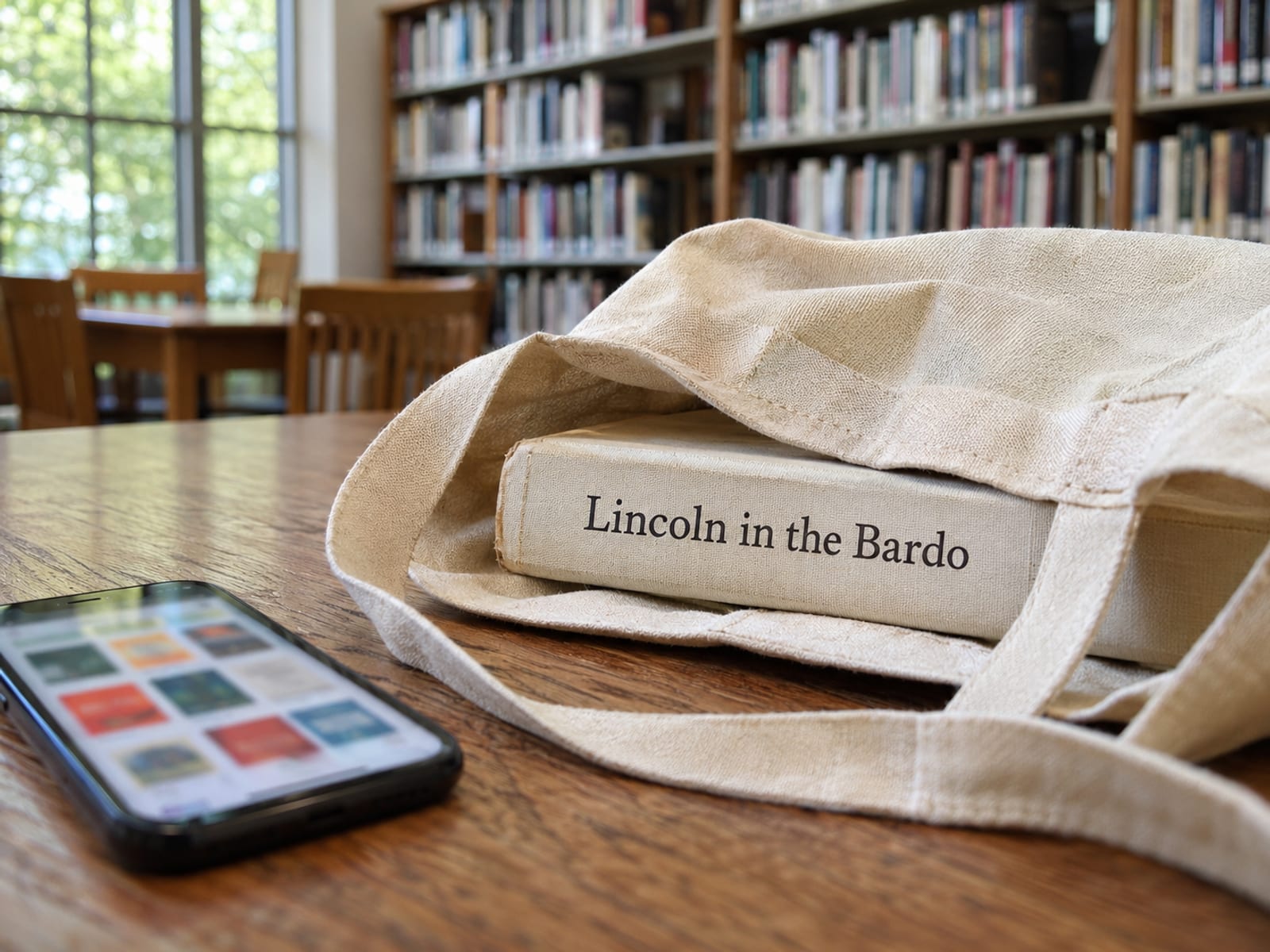
Where to get the Lincoln in the Bardo audiobook
Prices, trial lengths, credits and catalog membership change, so each listing below comes with one thing to do on the page itself.
Audible US. Audible US lists the unabridged recording at 7 hours and 25 minutes. Sign in to Audible US and open the title page to see the current cash price and whether it is a one-credit purchase. Look for an "Included in your membership" or Plus Catalog label before you use a credit. Audible's membership information says a Premium member can use one credit to buy and keep any audiobook (as of November 24, 2026).
Libby. The title is on OverDrive, with a "Find this title in Libby" option. Search for it in Libby with your library card; wait times depend on your library's copies.
Spotify. Spotify has a listing for the recording that offers it to buy. Open the listing signed in to your Premium account to see whether Premium includes it.
Hoopla. Search the title in your library's Hoopla catalog.
Libro.fm. Search by title and by ISBN 9780553397581.
Questions listeners ask about this audiobook
How can I tell if an audiobook is unabridged?
Look for the word "Unabridged" on the title page. Audible US lists this recording as unabridged at 7 hours and 25 minutes, and Penguin Random House gives the same length for the unabridged edition. Match that length against the listing you are about to buy or borrow.
Do I own my Audible books forever?
Audible's membership information says a Premium member can use one credit to buy and keep any audiobook (as of November 24, 2026). Before you spend a credit on this recording, open its Audible title page and confirm it is a credit purchase and not a catalog title.
Can I buy just one book on Audible?
Audible's membership information says a Premium member can use one credit to buy and keep any audiobook (as of November 24, 2026). Sign in to Audible US and check this recording's title page for its current cash price and whether it is a one-credit purchase, because prices and membership terms change.
Next step
If a full cast sounds right for your next listen, full cast vs dramatized audiobooks is the best place to go from here.
By Cal Hewitt. Published .